The ENT Laser Platform
ByDEKA Surgical·Distributed by Pure Novamed

SmartXide2 ENTVersatile,
EFFECTIVE

The accuracy of scanner-assisted CO₂ laser and the flexibility of diode lasers, in one console built for the full range of ENT surgery.

10.6 μm

CO₂ Laser · Articulated arm

980 nm

Diode Module · Fiber

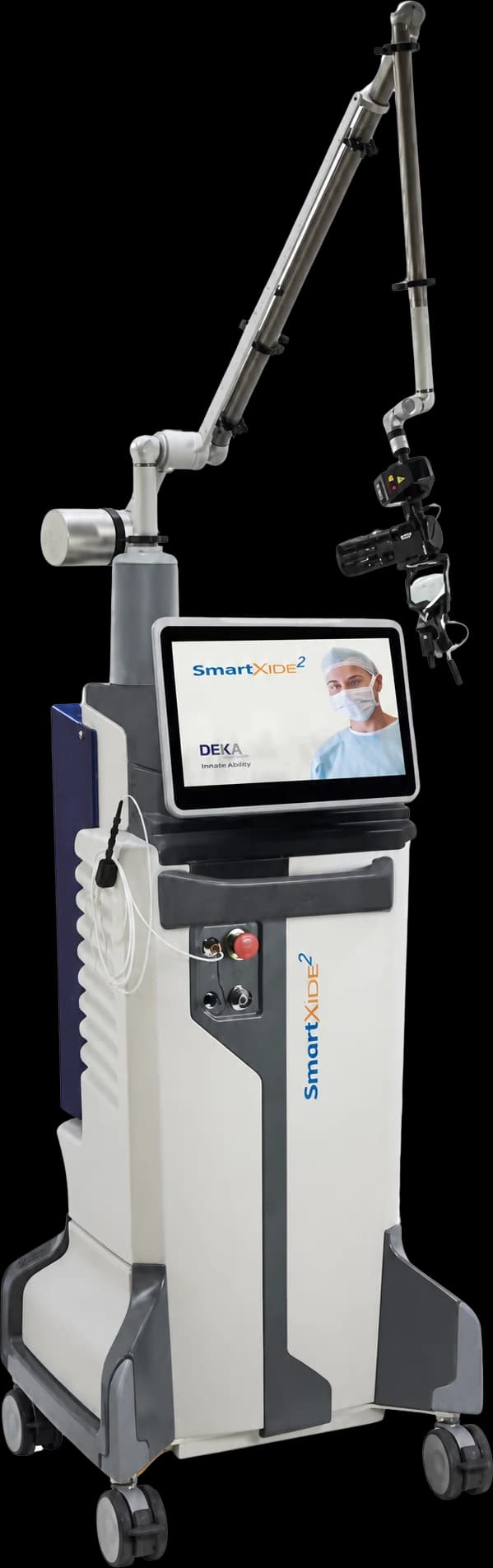
DEKA SmartXide² ENT CO₂ laser console with 7-mirror articulated arm, EasySpot Hybrid micromanipulator and 15.6 inch touchscreen
10.6μm
CO₂ wavelength
980nm
Diode wavelength
80W
Max U-Pulse power
< 50μm
Thermal damage
6.3mm
Max scan field
Product overview

One Console for the Whole of ENT Surgery

The SmartXide² ENT is DEKA’s ENT configuration of the SmartXide² platform: an RF-excited CO₂ laser source with exclusive PSD® pulse shaping, delivered through a 7-mirror titanium articulated arm and driven from a 15.6″ colour touchscreen.

On that arm sit the EasySpot Hybrid micromanipulator and the HiScan Surgical scanning system, which together give the surgeon control over cutting length, ablation area, treatment depth and coagulation, with minimal thermal damage to perilesional tissues and no carbonisation of the cutting edges.

A high power 980 nm diode module can be added at any time, bringing fiber-optic reach to anatomy the articulated arm cannot address — the middle ear for the “ONE SHOT” stapedotomy technique, and the nose for turbinate work.

RF-excited CO₂ with PSD®

Pulse Shape Design generates variable peak pulses with different structure, duration and power, adapting the source to the clinical condition. U-Pulse and “Real CW” are the modes most commonly used in ENT surgery.

980 nm diode module

An additional wavelength that expands the range of available procedures, delivered on flexible fiber. It can be integrated into the SmartXide² at any time as an optional upgrade.

EasySpot Hybrid

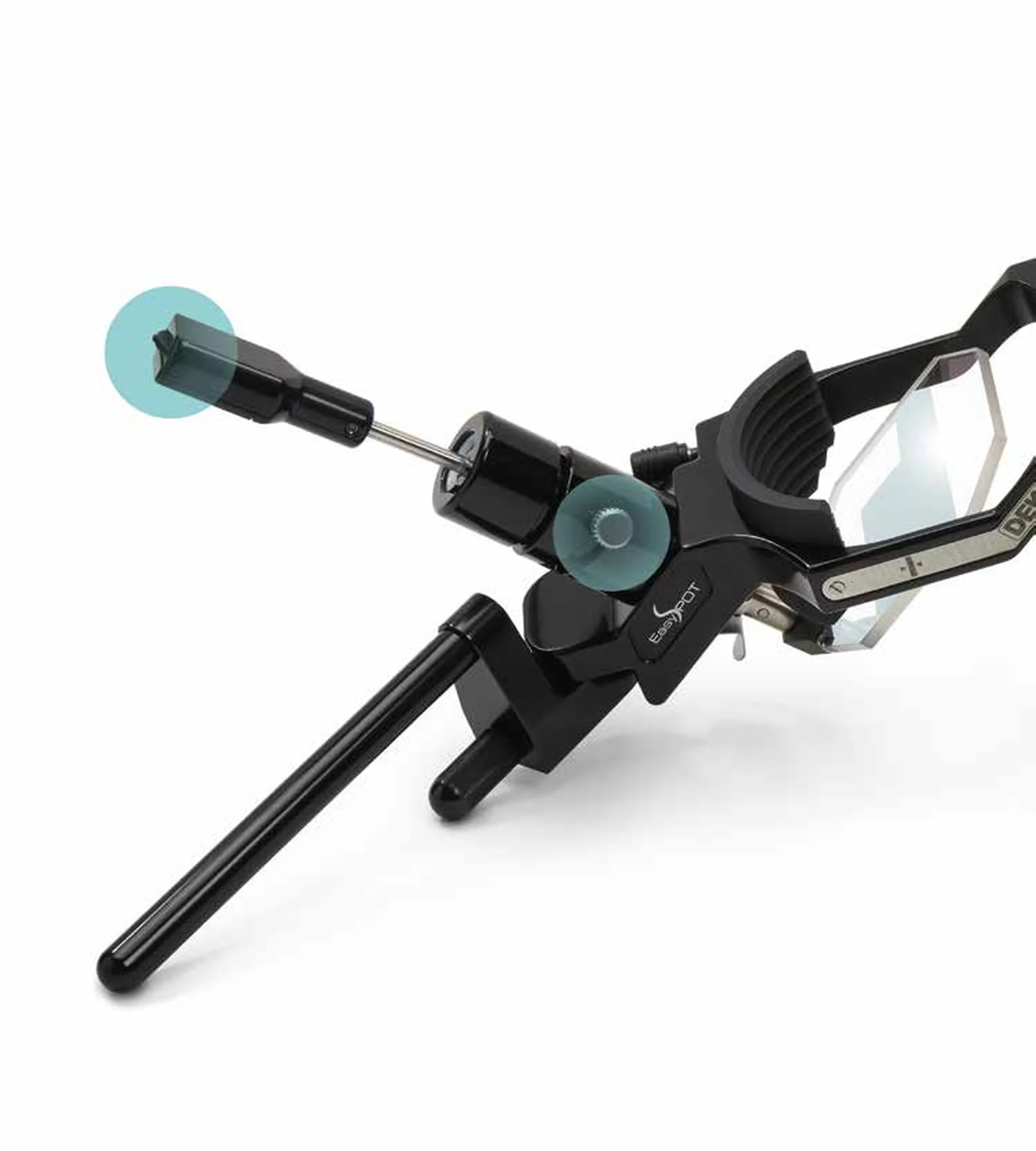
Holographic lenses and mirrors, a single-ring focus system with focal point memory, and four functions on one microswitch joystick. Compatible with all surgical microscopes.

HiScan Surgical

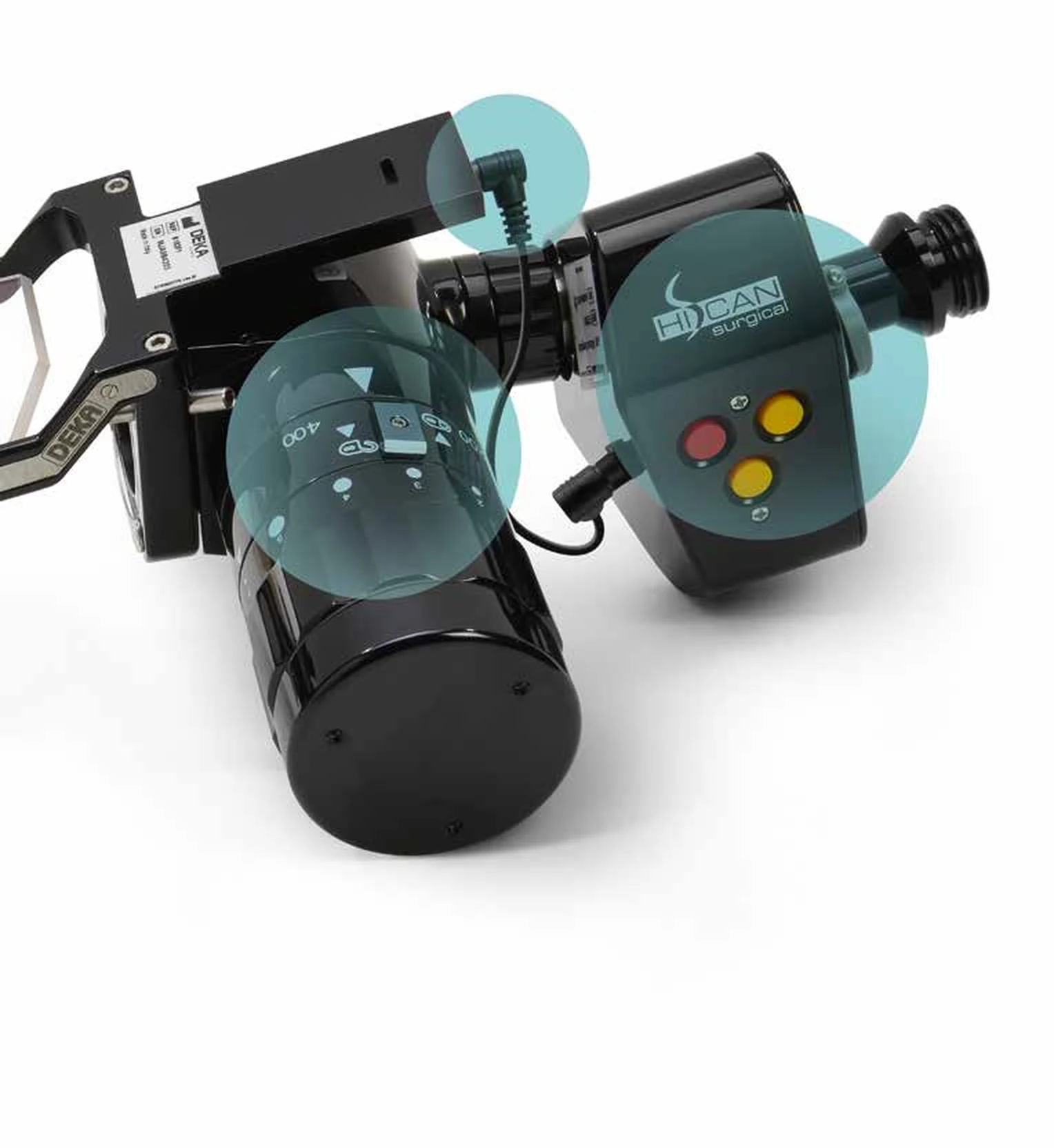
Laser beam movement in 100 millionths of a second with minimum dwell time, across scanning shapes of up to 6.3 mm for tissue cutting and ablation.

Handpiece range

Different focusing lenses, spacers and mirrors from 1.5″ to 8″ EFL plus collimated, each with a dedicated air inlet and integrated smoke extraction at the tip.

“ONE SHOT” stapedotomy

Retrievable database protocols set the energy needed to make the plate hole with a single pulse, by scanner-assisted CO₂ laser or by diode fiber.

Two Sources, One Console

CO₂ Precision. Diode Reach.

The SmartXide² ENT pairs an RF-excited CO₂ laser on a 7-mirror articulated arm with an optional 980 nm diode module on flexible fiber. Both are driven from the same 15.6″ touchscreen.

SmartXide²one console15.6″ touchscreenCO₂ RF · PSD®10.6 μm7-mirror articulated armMicromanipulator or handpieceOpen& microscopic fieldDiode module980 nmSMA 905 connector200–600 μm fiber opticMiddle ear& nasal cavity

CO₂ Laser

Articulated Arm

10.6 μm

An RF-excited CO₂ source with PSD® pulse shaping, delivered through a 7-mirror titanium articulated arm with counterweight, connectable to DEKA’s scanning systems, micromanipulators and handpiece range.

Connectable with

  • Electronic scanning systems, for extremely precise, safe and reproducible treatments
  • High Precision micromanipulators
  • Dedicated handpieces with various focal lengths and integrated smoke suction channel
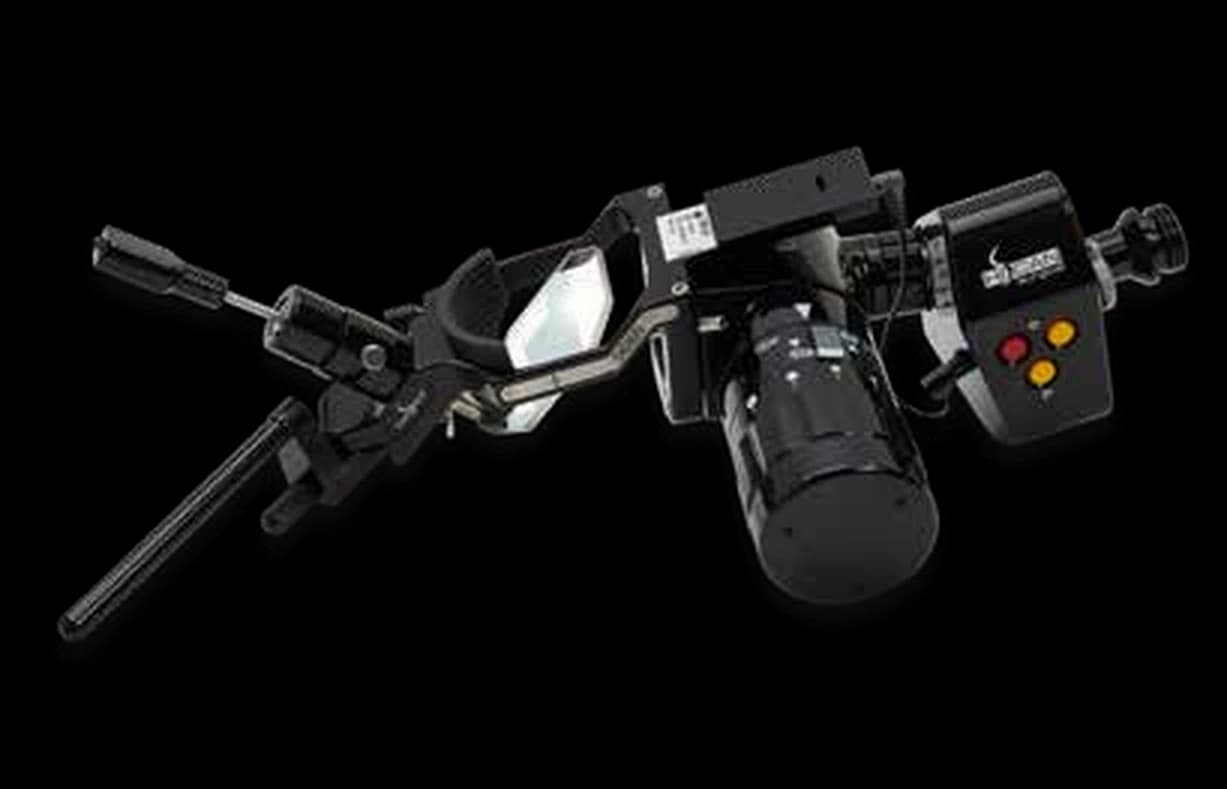
DEKA SmartXide² ENT CO₂ articulated arm carrying the EasySpot Hybrid micromanipulator and HiScan Surgical scanner

Diode Laser Module

Fiber

980 nm

An additional wavelength (980 nm) to expand the range of available procedures. Flexible fiber optics reach internal anatomy the articulated arm cannot, and the module can be added to the SmartXide² at any time.

Connectable with

  • Reaches the middle ear for the “ONE SHOT” stapedotomy technique
  • Reaches the nose for turbinate procedures
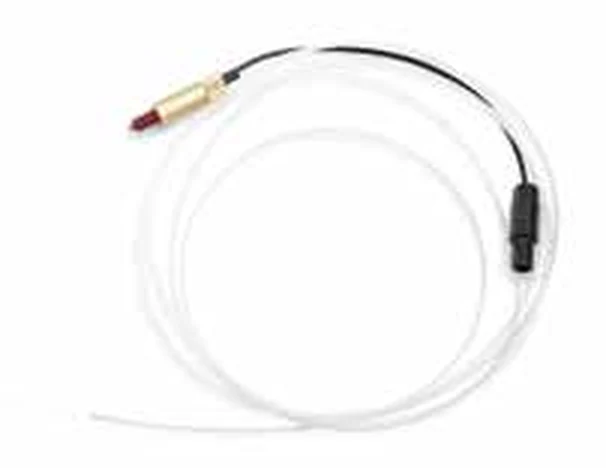
  • 200–600 μm fiber optics with chips, SMA 905 connector, single-use or resterilisable up to 10 times
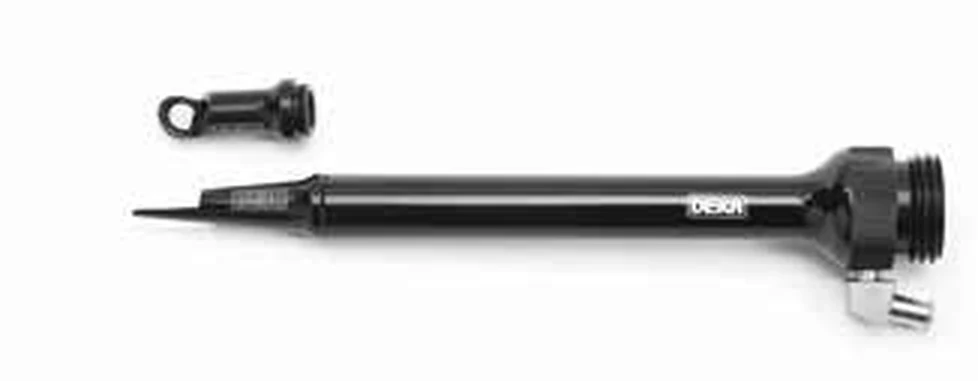
DEKA SmartXide² ENT 980 nm high power diode laser single-use fiber optic with SMA 905 connector
RF-Excited CO₂ · PSD® Technology

The Pulse Is the Instrument

Pulse Shape Design generates variable peak pulses with different structure, duration and power, so the source adapts to the clinical condition rather than the other way round.

Single-pulse comparison

Radiofrequency excitation puts more energy above the ablation threshold

AblationthresholdAPowerWPulse lengthμsEnergy above threshold
Fig. A — Superpulse

Single-pulse continuous-supply excited CO₂ laser. The pulse spikes, then falls back below the ablation threshold for most of its length.

AblationthresholdBPowerWPulse lengthμsEnergy above threshold
Fig. B — Ultrapulse (RF)

Single-pulse radiofrequency excited CO₂ laser. Power is reached almost immediately and held above the threshold for the whole pulse.

Radiofrequency-excited CO₂ laser sources produce greater energy above the ablation threshold compared to continuous-supply excited CO₂ lasers, and at comparable pulse length. Figures redrawn from the manufacturer’s technical literature; shapes are illustrative of the emission behaviour, not measured traces.

UP

U-Pulse

Massive energy in microseconds. Perfect ablation without tissue carbonisation, which is what makes it the working mode for ENT microsurgery.

CW

“Real CW”

No acoustic effect during emission, which is the property that makes it suitable for the “ONE SHOT” stapedotomy technique.

The SmartXide² RF-excited CO₂ laser source offers high power and speed of action. PSD® (Pulse Shape Design) uses both, generating variable peak pulses with different structure, duration and power to adapt to the various clinical conditions.

U-Pulse is the perfect pulse for ENT microsurgery: a massive energy is supplied in microseconds, ensuring a perfect ablation without tissue carbonisation. “Real CW” has no acoustic effect and is therefore suitable for the “ONE SHOT” stapedotomy technique. Both are the modes most commonly used in this kind of surgery.

Emission modes

Power envelopes

  • CWContinuous Wave0.570 W
  • SP0.115 W
  • DP0.215 W
  • HP0.115 W
  • UPU-Pulse (Ultrapulse)0.580 W

Bars are scaled to the 80 W maximum of the C80 chassis. SP, DP and HP envelopes are identical across all four models; only CW and UP differ between the 60 W and 80 W configurations. DEKA’s technical sheet lists all five modes by code and names only CW and U-Pulse in prose.

EasySpot Hybrid + HiScan Surgical

Take it Easy

DEKA scan-assisted ENT laser microsurgery, built around four things the surgeon should never have to think about: control, field, focus and setup.

EasySpot Hybrid micromanipulator mounted for scan-assisted CO₂ laser microsurgery
HiScan Surgical scanning system with its control head, mounted on the CO₂ articulated arm
EasySpot HybridHolographic lenses and mirrors·HiScan SurgicalUltra-fast beam movement

DEKA scan-assisted ENT laser microsurgery

  • Minimal thermal damageLess than 50 microns to perilesional tissues.
  • No carbonisationCleanliness of cutting edges.
  • Control on cutting lengthAblation area, treatment depth and coagulation (%).
  • 2 working modalities“Depth” and “Power”.
  • Software-guided procedureFor both focusing and laser beam centration.
SafetyReproducibilityEasy to use

Easy Control

Operate without ever moving your eyes from the microscope.

Four functions on the exclusive microswitch joystick: scanning shape rotation, ablation figure dimension, Scan-ON/Scan-OFF and laser beam centering.

Easy Field

Mechanical control of the working area.

Precisely confines the laser beam within the operating field. Easy and safe.

Easy Focus

Hybrid technology focusing system.

Holographic lens and high-reflectance mirrors, with a single-ring focus/defocus system and focal point memory. High depth focus, with exact correspondence between the guide light and the CO₂ laser.

Easy Plug

Fast connections and internal wiring.

Easy Control

Operate without ever moving your eyes from the microscope

Four functions sit under one thumb on the exclusive microswitch joystick. Shape rotation runs step-by-step or fast, figure size and beam centring are adjusted live, and the scanner is switched on and off without breaking the surgeon’s line of sight.

MicroswitchjoystickShape rotationStep-by-step and fast1Figure dimensionAblation figure size2Scan ON / OFFScanner activation3Beam centeringFine centration4
HiScan Surgical Scanning System

The Greatest Range of Scanning Shapes

Ultra-fast laser beam movement — 100 millionths of a second, minimum dwell time — across high-precision scanning shapes of up to 6.3 mm for tissue cutting and ablation.

Scanning geometry

Seven figures, one 6.3 mm field

3D Ablation

Filled circle

Area ablation, progressive or interlaced scan.

Grid squares are 1 mm at the maximum scanning area. Every figure is drawn to the same scale.

100 μs

Minimum dwell time

45 ms

Maximum dwell time

0.2 – 2 mm

Scan depth

CW · UP

Scan emission modes

To scale

Work field, scanning area and spot

55 mmWork field @ 400 mm EFL20 × 18 mm → 55 × 40 mmMax scanning area6.3 × 6.3 mmSpot dimension140 μm → 4.5 mmDrawn to scale. The 140 μm minimum spot is the dot at the centre.

Power Mode & Depth Mode

Two scan modalities: set the power the tissue sees, or set the depth the scan should reach.

Progressive & interlaced scan

Filled figures are laid down in either pass order, part of DEKA's Fast Ablation Turbo CUT technology.

Delivery

Handpieces & Fiber Optics

A broad range of handpieces with different focusing lenses, spacers and mirrors for perfect operation in all applications, alongside single-use fiber optics for the diode module.

CO₂ · 10.6 μm

Handpieces

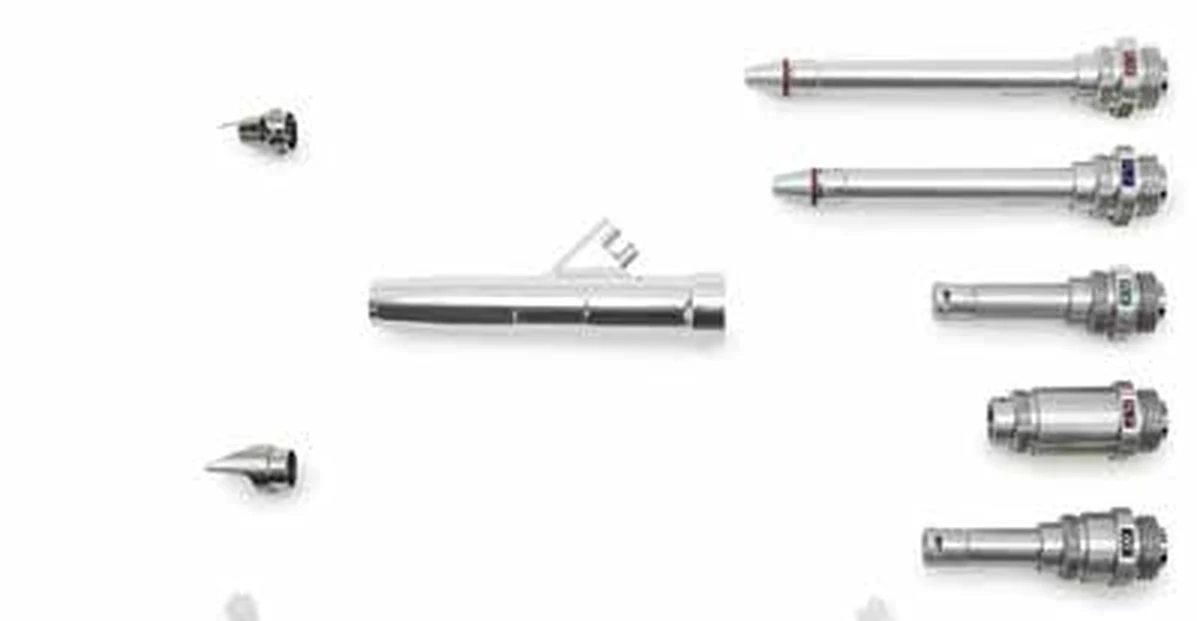
SmartXide² offers a broad range of handpieces with different focusing lenses, spacers and mirrors. A dedicated air inlet keeps lenses safe from dust and debris particle accumulation, and the integrated smoke channel extracts smoke at the tip.

Effective focal lengths

  • 1.5"38 mm
  • 2"51 mm
  • 4"102 mm
  • 5"127 mm
  • 7"178 mm
  • 8"203 mm
  • Collimated handpiece — no focal convergence

Dedicated air inlet

Airflow keeps the lens clear of dust and debris particles.

Integrated smoke channel

Smoke extraction at the tip of every EFL and collimated handpiece.

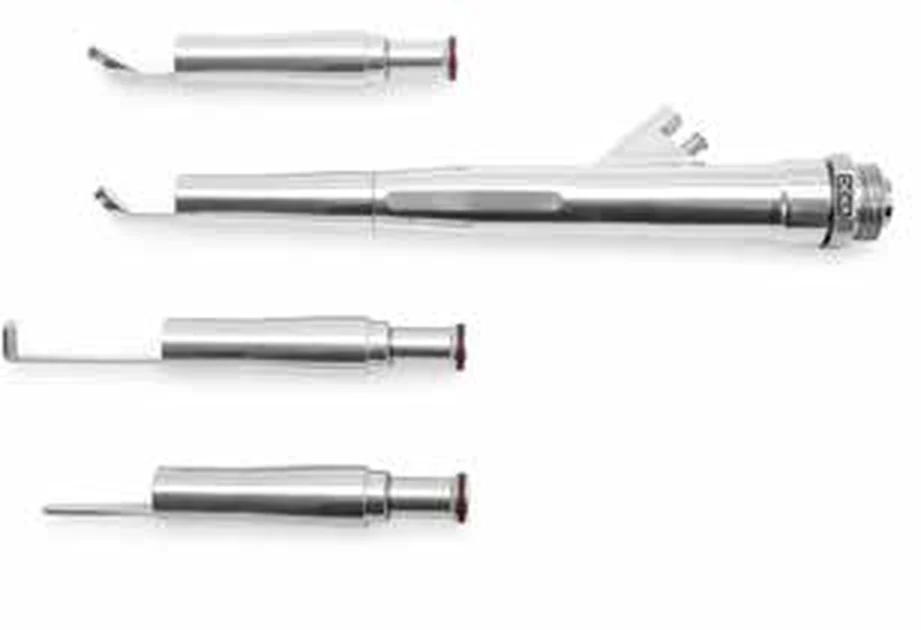
DEKA SmartXide² ENT CO₂ handpieces with interchangeable focusing lenses, spacers and tips
DEKA SmartXide² ENT angled CO₂ handpieces for laryngeal and oropharyngeal access
DEKA “SLIM CUT” 2 inch cutting handpiece for free-hand precision cutting

“SLIM CUT” cutting handpiece

A special 2″ handpiece indicated for free-hand precision cutting.

Diode · 980 nm

High Power Diode Laser

The diode laser and fiber delivery system allows the surgeon to operate easily, even in the hardest conditions. The flexibility of fiber optics reaches internal areas such as the middle ear (“ONE SHOT” stapedotomy) and the nose (turbinates).

50 W

CW power

CW · PW

Emission modes

SMA 905

Fiber connector

Fiber core diameters, to scale

200 μm300 μm400 μm500 μm600 μm

Single-use, or resterilisable up to 10 times, with chips.

Pulsed emission (PW)

TonToffBurst · 2 to 50 impulses0.5 – 5 sTimeRepeated burst
ContinuousSingle impulseBurstRepeated burstTon 5 – 2000 msToff 5 – 2000 ms
Single-use 980 nm diode laser fiber optic with SMA 905 connector

Add it at any time

The diode laser system can be integrated into the SmartXide² at any time, as part of an optional upgrade to the system.

Otology

“ONE SHOT” stapedotomy
with diode laser fiber

Up to a few years ago, “ONE SHOT” laser stapedotomy had to be performed only with micromanipulators and scanning systems. Today the same minimally-invasive technique can be performed with a fiber delivered diode laser with high power and low time of emission.

Dedicated retrievable database protocols set the laser energy necessary to make the plate hole with a single pulse, ensuring operative simplicity, safety and precision.

Two documented routes

CO₂ + scannerspiral figuresame openingDiode fibersingle pulse

Schematic. Clinical images of both routes appear in the case series below.

Bibliographic references

  1. A.M. Poletti et al.The “One Shot” Diode StapedotomyPhotomedicine and Laser Surgery, 2015
  2. S. DallariVideo Atlas of Middle Ear SurgeryMinerva Medica ed., 2018
  3. S. Dallari et al.“One Shot” Stapedioplasty with Scanner-Assisted CO₂ Laser and 980 nm Diode LaserDEKA White Paper, October 2011
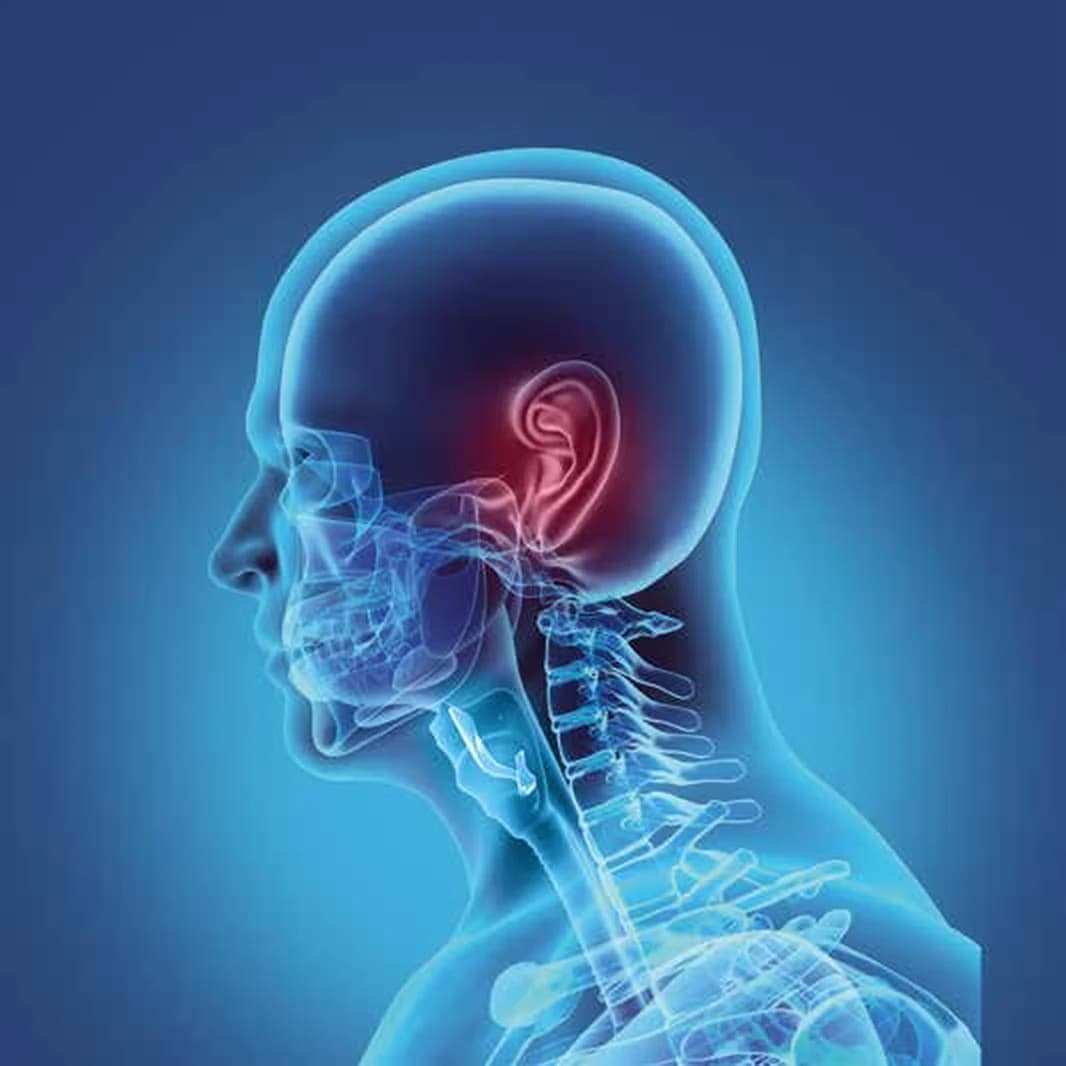
Anatomical rendering of the head and neck highlighting the middle ear, the target of the “ONE SHOT” stapedotomy technique

Single pulse

To make the plate hole

980 nm

Fiber delivered

Protocols

Retrievable database

Clinical cases

The Technological Solution for All ENT Treatments

Case series published by DEKA, documented by the operating surgeons, with follow-ups from three to twelve months.

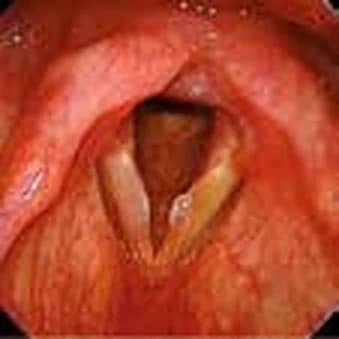
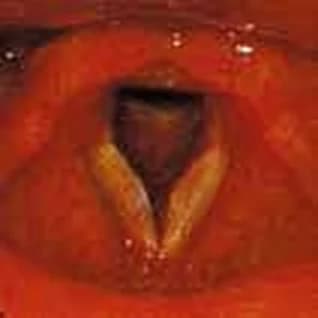
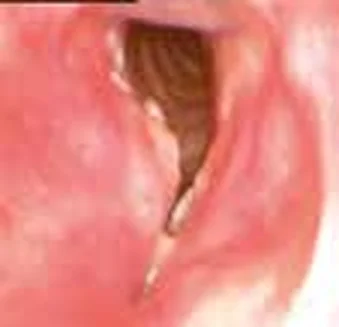
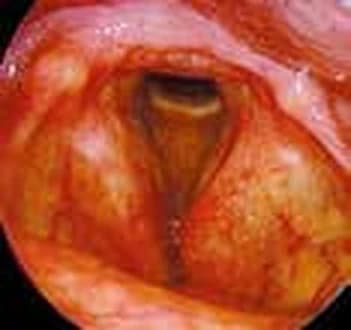
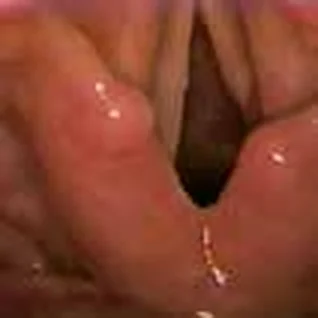
Left vocal cord polyp

  1. Left vocal cord polyp — Left vocal cord polyp

    Left vocal cord polyp

  2. Left vocal cord polyp — 3 months follow-up

    3 months follow-up

Courtesy of Stefano Dallari, M.D.
Director of the Department of ENT Surgery, Ospedale di Fermo (Hospital of Fermo), Italy

Squamous cell carcinoma (T3)

  1. Squamous cell carcinoma (T3) — Squamous cell carcinoma (T3)

    Squamous cell carcinoma (T3)

  2. Squamous cell carcinoma (T3) — 6 months follow-up

    6 months follow-up

Courtesy of Stefano Dallari, M.D.
Director of the Department of ENT Surgery, Ospedale di Fermo (Hospital of Fermo), Italy

Squamous cell carcinoma (T1a)

  1. Squamous cell carcinoma (T1a) — Squamous cell carcinoma (T1a)

    Squamous cell carcinoma (T1a)

  2. Squamous cell carcinoma (T1a) — 12 months follow-up

    12 months follow-up

Courtesy of Stefano Dallari, M.D.
Director of the Department of ENT Surgery, Ospedale di Fermo (Hospital of Fermo), Italy

“ONE SHOT” stapedotomy

  1. “ONE SHOT” stapedotomy — With CO₂ laser

    With CO₂ laser

  2. “ONE SHOT” stapedotomy — With diode laser

    With diode laser

Courtesy of Arturo Mario Poletti, M.D.
Consultant, Department of ENT Surgery, American Hospital Dubai, UAE

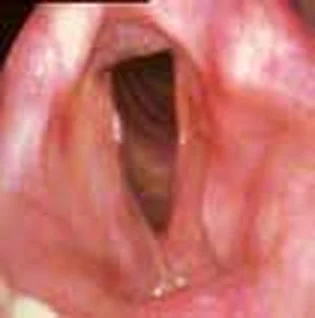
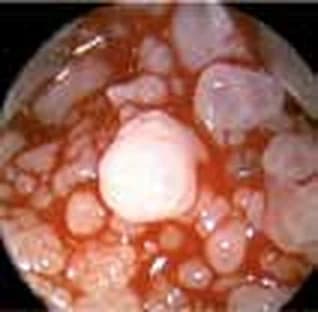
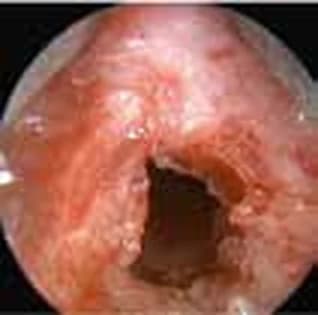
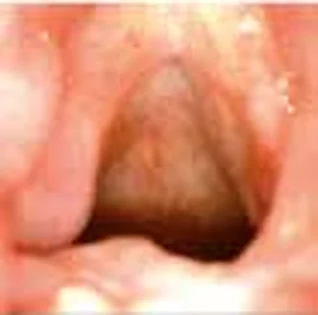
Recurrent respiratory papillomatosis

  1. Recurrent respiratory papillomatosis — Recurrent respiratory papillomatosis

    Recurrent respiratory papillomatosis

  2. Recurrent respiratory papillomatosis — After removal of the papilloma (obvious glottic stenosis)

    After removal of the papilloma (obvious glottic stenosis)

  3. Recurrent respiratory papillomatosis — 11 months follow-up (after 4 procedures)

    11 months follow-up (after 4 procedures)

Courtesy of Guillermo Campos, M.D.
Director, Instituto de Laringología. Consultant, Department of Surgery, Fundación Santa Fé University Hospital, Bogotá DC, Colombia

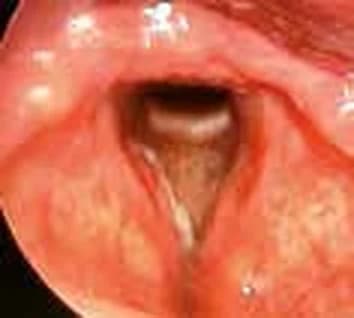
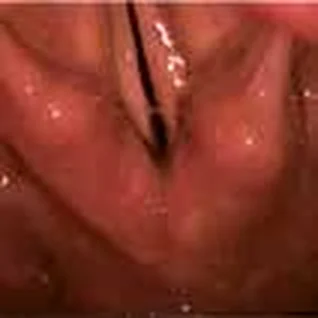
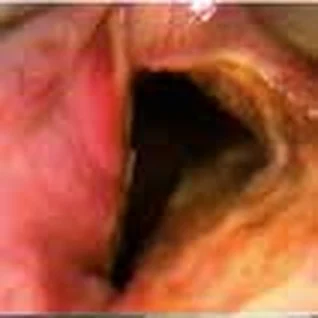
Bilateral paralysis of the vocal cords (after total thyroidectomy)

  1. Bilateral paralysis of the vocal cords (after total thyroidectomy) — Bilateral paralysis of the vocal cords

    Bilateral paralysis of the vocal cords

  2. Bilateral paralysis of the vocal cords (after total thyroidectomy) — Posterior cordotomy

    Posterior cordotomy

  3. Bilateral paralysis of the vocal cords (after total thyroidectomy) — 6 months follow-up

    6 months follow-up

Courtesy of Guillermo Campos, M.D.
Director, Instituto de Laringología. Consultant, Department of Surgery, Fundación Santa Fé University Hospital, Bogotá DC, Colombia

Clinical images reproduced from the manufacturer’s ENT literature and shown with the attributions published there. The SmartXide² is a Class 4 laser appliance intended for use by qualified physicians and surgeons. All clinical applications should be undertaken in accordance with applicable regulations, institutional protocols and safety standards. Individual results may vary.

The experience of professionals

In the Words of the Surgeons

Published accounts from ENT surgeons using the CO₂ and diode platforms in laryngeal and otologic practice.

I’ve been using diode laser for stapedotomies since the end of the 1990s. It’s very easy to use, safe and makes the surgical procedure faster. I started with 940 nm and switched to 980 nm, which I prefer. The main characteristic of 980 nm is that it’s partially absorbed by water, therefore the perilymph, although not its main target, acts as a backstop and therefore does not produce any heating of the inner ear. The main characteristic of the “One Shot” stapedotomy is the supply of highly concentrated energy on the bone in a brief exposure time, thus preventing temperature increase of surrounding tissues.

Since 2007, with this technique, I have performed hundreds of procedures and most patients have a long follow-up with good results. The “One Shot” diode laser technique significantly simplifies the surgical procedure, especially when compared to traditional techniques such as the use of manual perforation and microdrill which are not selective and precise on the delicate structures of the inner ear.

Arturo Mario Poletti, M.D.

Consultant, Department of ENT Surgery

American Hospital Dubai, UAE

The DEKA CO₂ laser, with progressive scanning technology, makes surgery on delicate tissues, like vocal cords, easier and safer. This is a wonderful tool for selective reconstruction procedures of the airways, with a series of significant advantages that go from ablation depth control, to reduced thermal damage, to lower dependence on the imprecise movements of the surgeon’s hand.

Guillermo Campos, M.D.

Director, Instituto de Laringología. Consultant, Department of Surgery

Fundación Santa Fé University Hospital, Bogotá DC, Colombia

Thanks to the precision and replicability that only scan-assisted CO₂ laser microsurgery can offer, the new HiScan Surgical scan system, along with the Easyspot Hybrid micromanipulator, has significantly simplified the performance of delicate and complex surgical procedures such as transoral larynx surgery and laser stapedotomy.

Stefano Dallari, M.D.

Director of the Department of ENT Surgery

Ospedale di Fermo (Hospital of Fermo), Italy

Suggested ENT configurations

Four Models. One Platform.

The chassis choice sets the CO₂ power envelope and the cabinet height. Everything else — PSD®, the articulated arm, the scanning and micromanipulator options — is common to all four.

SmartXide² C80

Standard cabinet
0.5 – 70 W
CW power
0.5 – 80 W
U-Pulse power
162 cm
Height
95 kg
Weight

Common to every configuration

  • CO₂ RF source with PSD® pulse shaping, 10.6 μm, TEM₀₀
  • SP 0.1 – 15 W · DP 0.2 – 15 W · HP 0.1 – 15 W
  • 7-mirror titanium articulated arm with counterweight
  • 15.6″ LCD colour touchscreen
  • 635 nm guide light, 2% to 100%, off during emission
  • 59 cm wide × 56 cm deep footprint

Optional across all models: the 980 nm high power diode laser (max. 50 W), HiScan Surgical scan system, EasySpot Hybrid micromanipulator, and the surgical handpiece range. The articulated arm can also be supplied in carbon fiber.

Cabinet

Standard and H heights, to scale

162 cmC60 · C8095 kg192 cmC60H · C80H100 kgBoth 59 cm wide × 56 cm deep

The H variants stand 30 cm taller and weigh 5 kg more. Power supply is 100 to 120 Vac at 50/60 Hz, or 220 to 230 Vac at 50 Hz / 1600 VA.

Technical sheet

Full Specification Sheet

Complete technical data for the SmartXide² ENT platform, the optional diode module, and the scanning and micromanipulator systems.

CO₂ Laser Source

ModelsC60 and C60H · C80 and C80H
Type of laserCO₂ RF · PSD®
Wavelength10.6 μm
Laser emission modeTEM₀₀
Emission modesCW · SP · DP · HP · UP
CW power0.5 to 60 W (C60, C60H) · 0.5 to 70 W (C80, C80H)
SP power0.1 to 15 W
DP power0.2 to 15 W
HP power0.1 to 15 W
UP power0.5 to 60 W (C60, C60H) · 0.5 to 80 W (C80, C80H)
Exposure time0.01 to 0.9 seconds
Delay time0.1 to 5 seconds
Transmission system7-mirror titanium articulated arm with counterweight, or flexible hollow fiber. Optionally supplied in carbon fiber.
Guide lightHigh Quality Diode @ 635 nm · 4 mW. Intensity regulated from 2% to 100%. Diode function OFF during emission (DOWL).
Control panel15.6″ LCD colour touchscreen
Accessories (optional)High Power Diode laser @ 980 nm, max. 50 W · HiScan Surgical scan system · EasySpot Hybrid micromanipulator · broad range of surgical handpieces
Power supply100 to 120 Vac, 50/60 Hz · 220 to 230 Vac, 50 Hz / 1600 VA
Size and weight162 (H) × 59 (W) × 56 (D) cm, 95 kg for C60 and C80 · 192 (H) × 59 (W) × 56 (D) cm, 100 kg for C60H and C80H

High Power 980 nm Diode Laser

Wavelength980 nm
CW power50 W
Emission modesCW and PW
Exposure modesContinuous, single impulse, burst or repeated burst
Emission time PW (Ton)From 5 to 2000 ms
Emission delay time in PW (Toff)From 5 to 2000 ms
Burst impulses in PWFrom 2 to 50
Delay between burstsFrom 0.5 to 5 seconds
Transmission system200 μm, 300 μm, 400 μm, 500 μm and 600 μm fiber optics, single-use or resterilisable up to 10 times, with chips, SMA 905 connector

HiScan Surgical Scanning System

Max scanning area6.3 mm × 6.3 mm @ 400 mm EFL
Dwell timeFrom 100 μs to 45 ms
Scan depthFrom 0.2 to 2 mm
Scan modalitiesPower Mode and Depth Mode
Scanning systemPoint, lines, circle arches up to a complete circle, spiral, filled circle, hexagon (progressive and interlaced scan)
Emission modesCW · UP

EasySpot Hybrid Micromanipulator

Optics technologyHolographic lenses and mirrors (Hybrid)
Spot dimensionMin 140 μm · Max 4.5 mm
Work field @ 400 mm EFLMin 20 × 18 mm · Max 55 × 40 mm
Joystick-regulated functionsRotation and size of scanning shapes, Scan On / Scan Off, fine centration
Microscope compatibilityCan be used with all surgical microscopes

Class 4 laser appliance

Visible and invisible laser radiation. Avoid exposing eyes and skin to direct or diffuse radiation. Classified to IEC 60825-1 (2014-05). Reserved to health professionals.

Manufactured by DEKA M.E.L.A. s.r.l., Via Baldanzese 17, 50041 Calenzano (FI), Italy. DEKA manufactures laser devices in compliance with the specifications of Directive 93/42/EEC, and its quality assurance system is in accordance with the ISO 9001 and ISO 13485 standards. The company reserves the right to change the technical characteristics without notice to improve its products.

ISO 9001ISO 13485Directive 93/42/EECIEC 60825-1Class 4 laser

Product documentation

SmartXide² ENT Product Catalogue

A ten-page catalogue covering the platform architecture, PSD® emission behaviour with the single-pulse comparison drawn out, the EasySpot Hybrid and HiScan Surgical systems, the handpiece and fibre ranges to scale, the “ONE SHOT” stapedotomy technique with its bibliography, the clinical case series, all four configurations, and the full technical sheet.

  • Emission modes and power envelopes
  • Scanning geometry and work field to scale
  • Complete technical sheet
Download CatalogueView in browser

PDF · 10 pages · 3.2 MB

Request information

Bring the SmartXide² ENT to your OR.

Talk to our team about configuration, the optional diode module, or scheduling a demonstration of the platform.